Making AI Action Feel Fast(01)
The Final Cut: Control Through Shorter Shots
My first Seedance 2.5 attempt was one continuous 30-second generation, but errors accumulated and rerolling the full sequence was too expensive. Breaking the film into shorter shots gave me much finer control over blocking, character placement, vehicles, pacing and the edit. The improved rendering also gave skin and faces a more tactile, less plastic finish.
Reference Sheets Beyond Characters
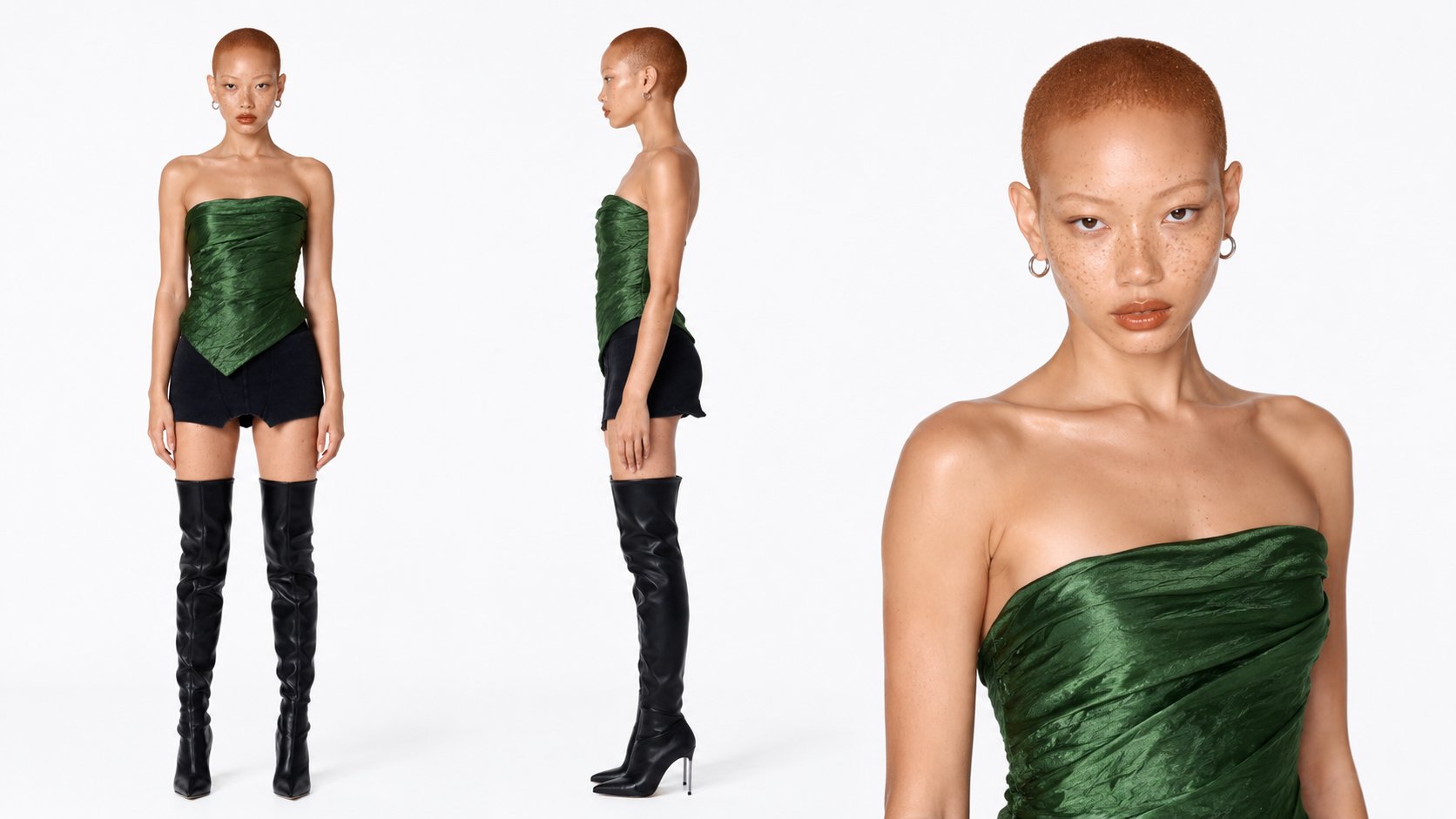
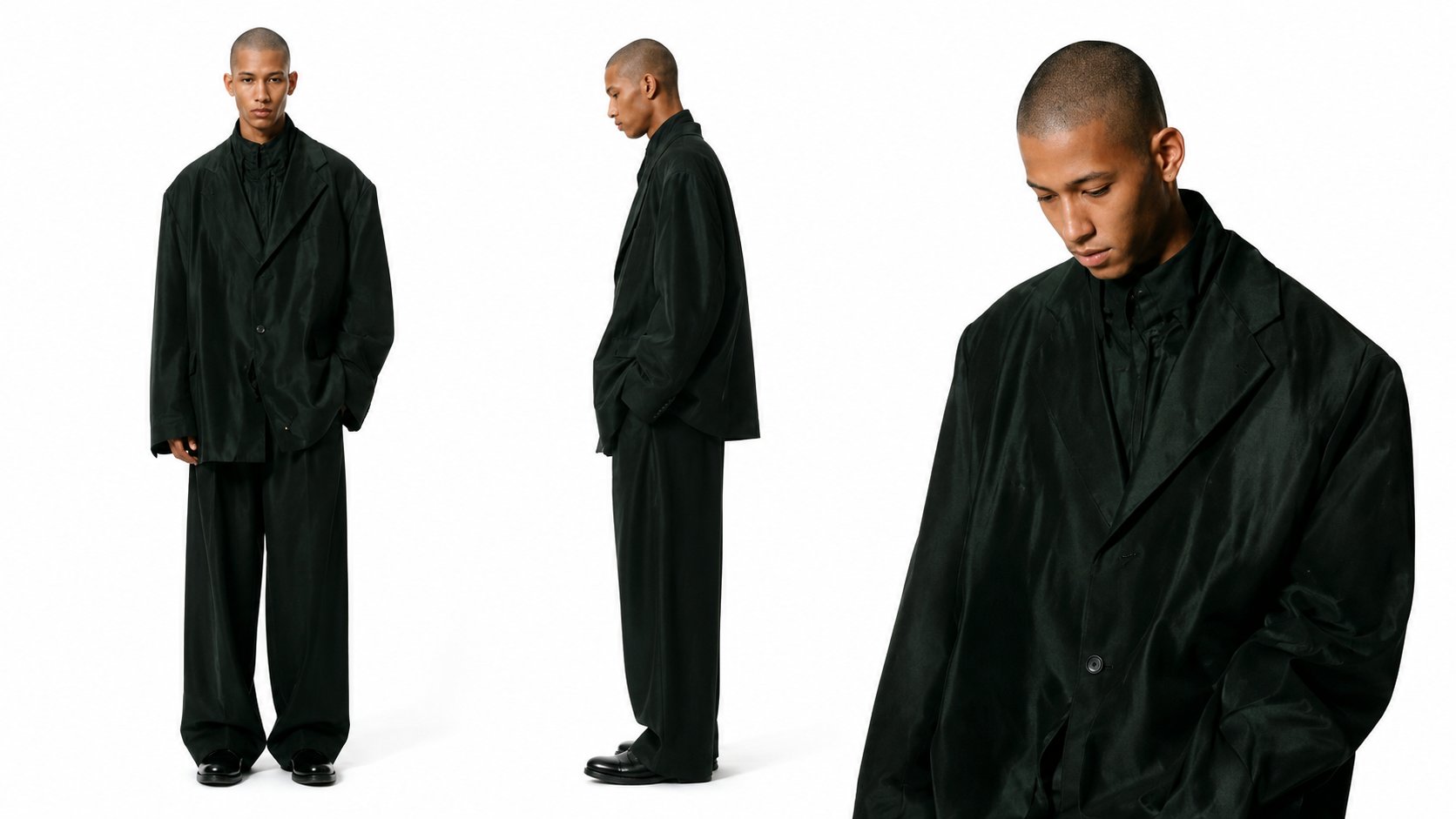
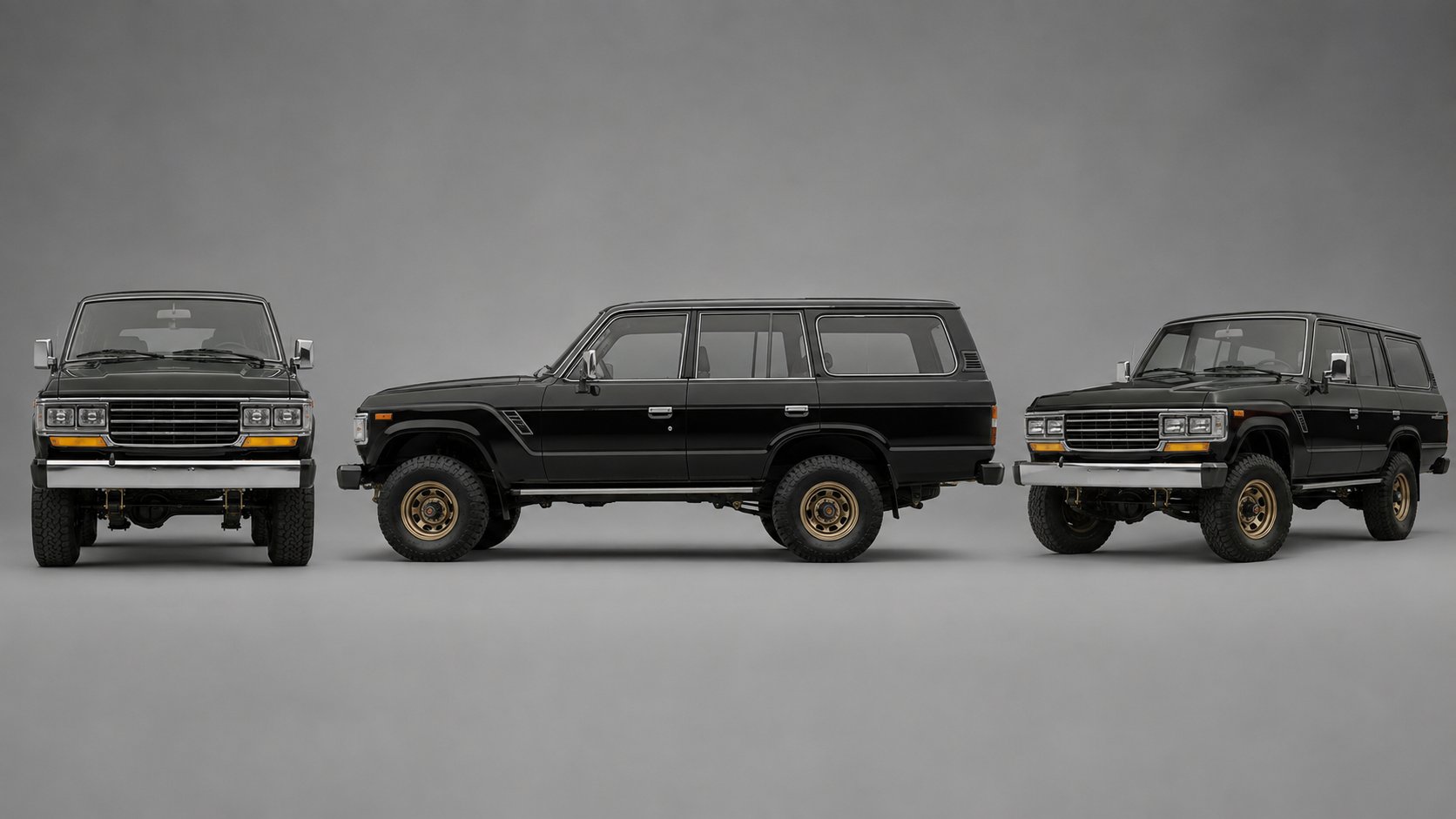
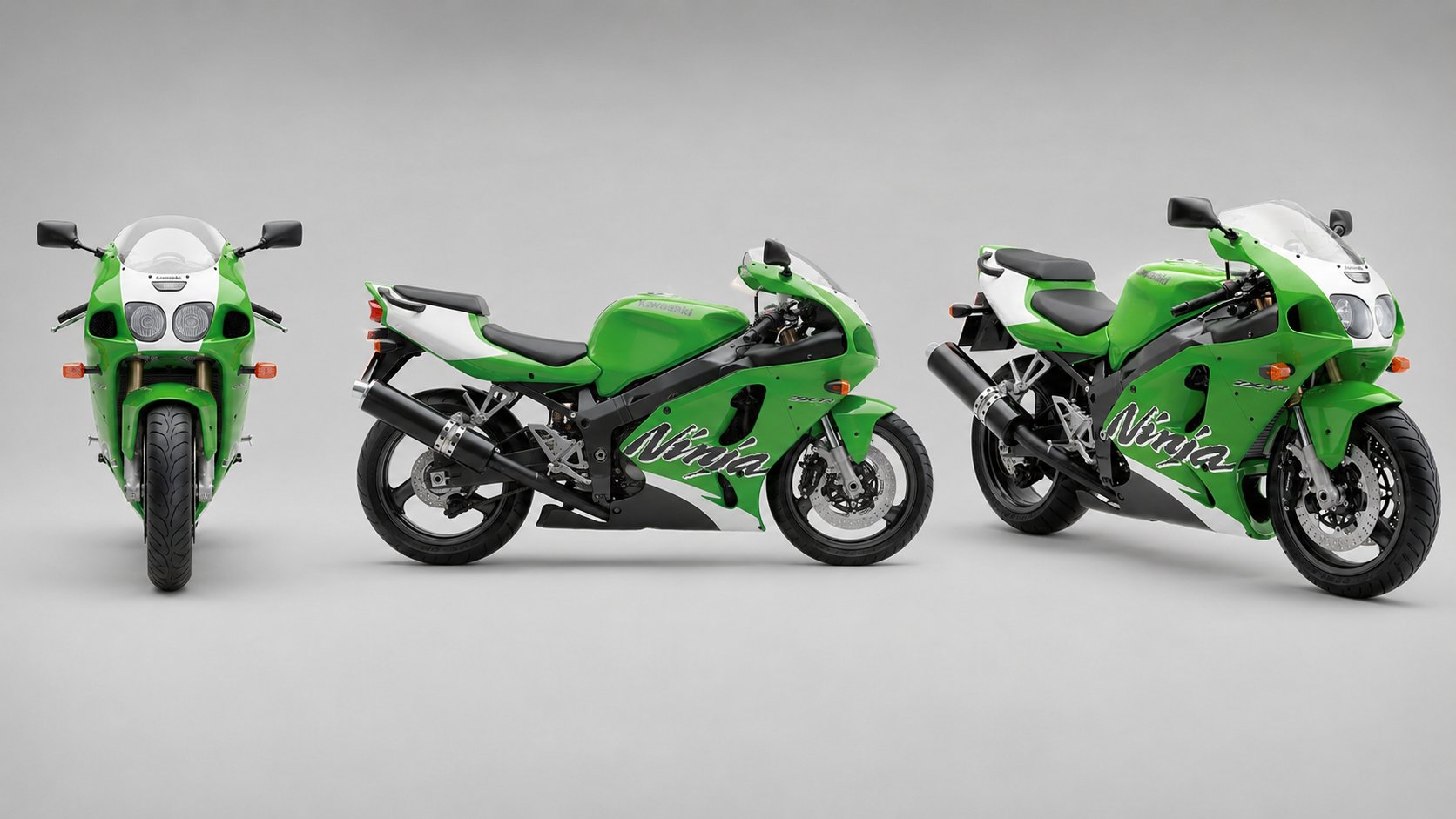
Continuity came from four dedicated reference sheets: the assassin, the target, a 1990 Toyota Land Cruiser and a mid-90s Kawasaki Ninja. The vehicles were treated as part of the cast. Their period-specific shapes and colours helped anchor the film in the 1990s while giving Seedance stable visual targets across separate shots.
Part One: Direct Motion, Not Complexity
The first study paired gritty Midjourney v8.2 stills with MiniMax H3 and a Suno track. Simpler prompts worked best: H3 stayed close to the source aesthetic and found movement that matched the music without excessive instruction. A vérité camera block—handheld drift, slight focus breathing, crash zooms and subtle background motion—made the scenes feel witnessed rather than staged.
Character Replacement Without Storyboards
I did not storyboard this sequence. I worked directly from the Midjourney stills, shaped the edit, then used GPT Image for character replacement. The goal was surgical: change the performer while preserving the existing camera position, lighting, crowd placement, production design and 35mm texture.
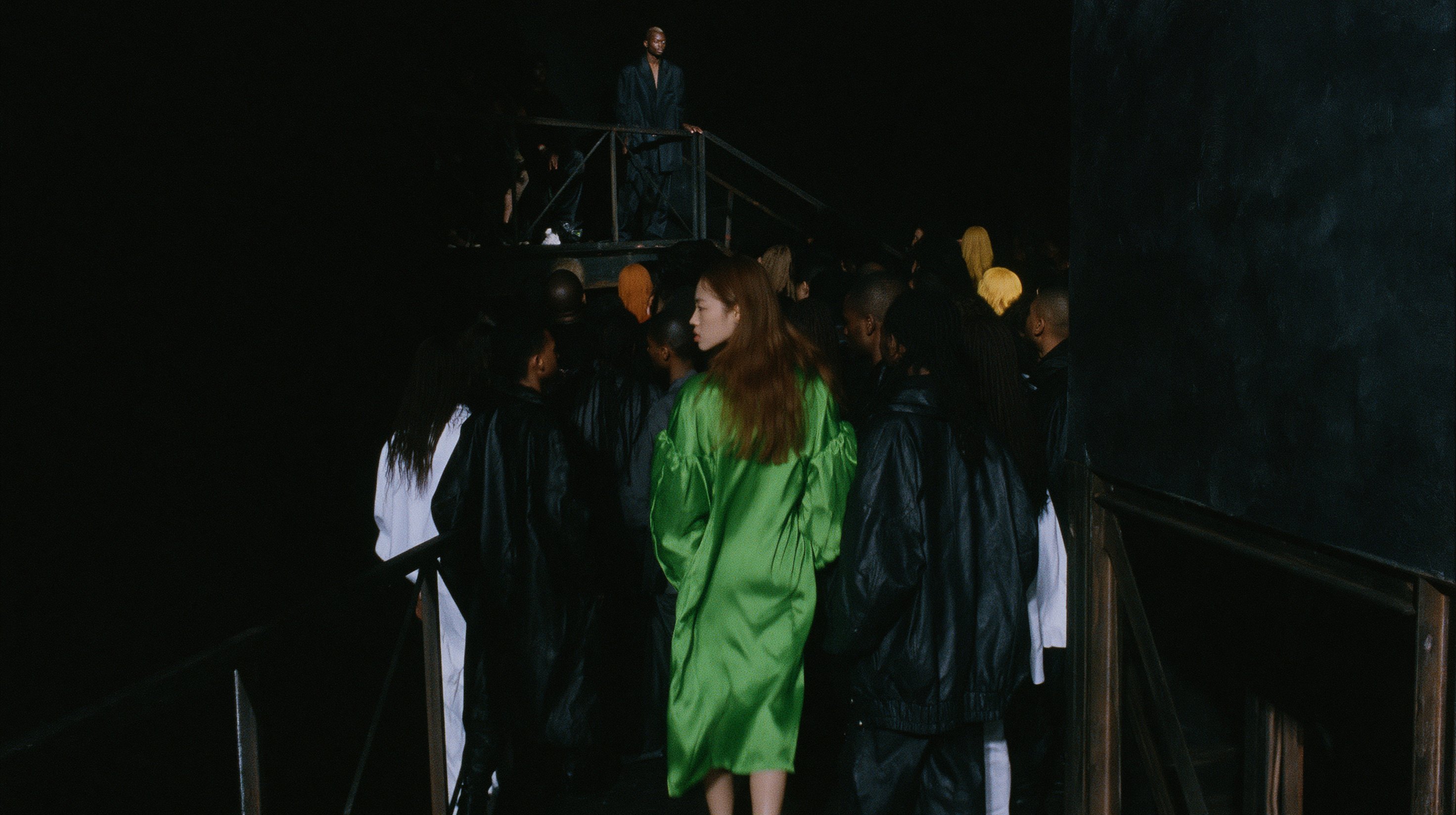
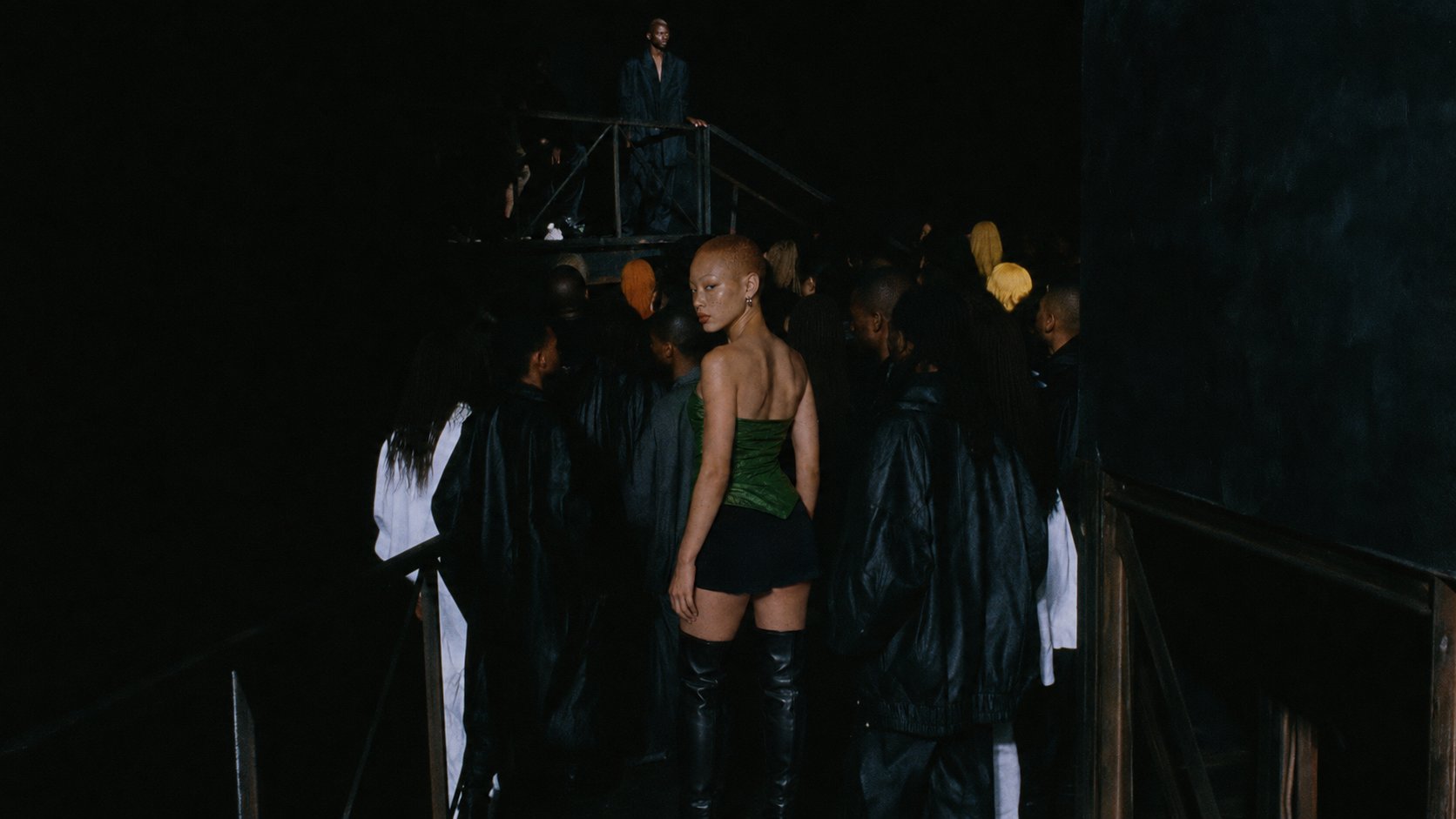
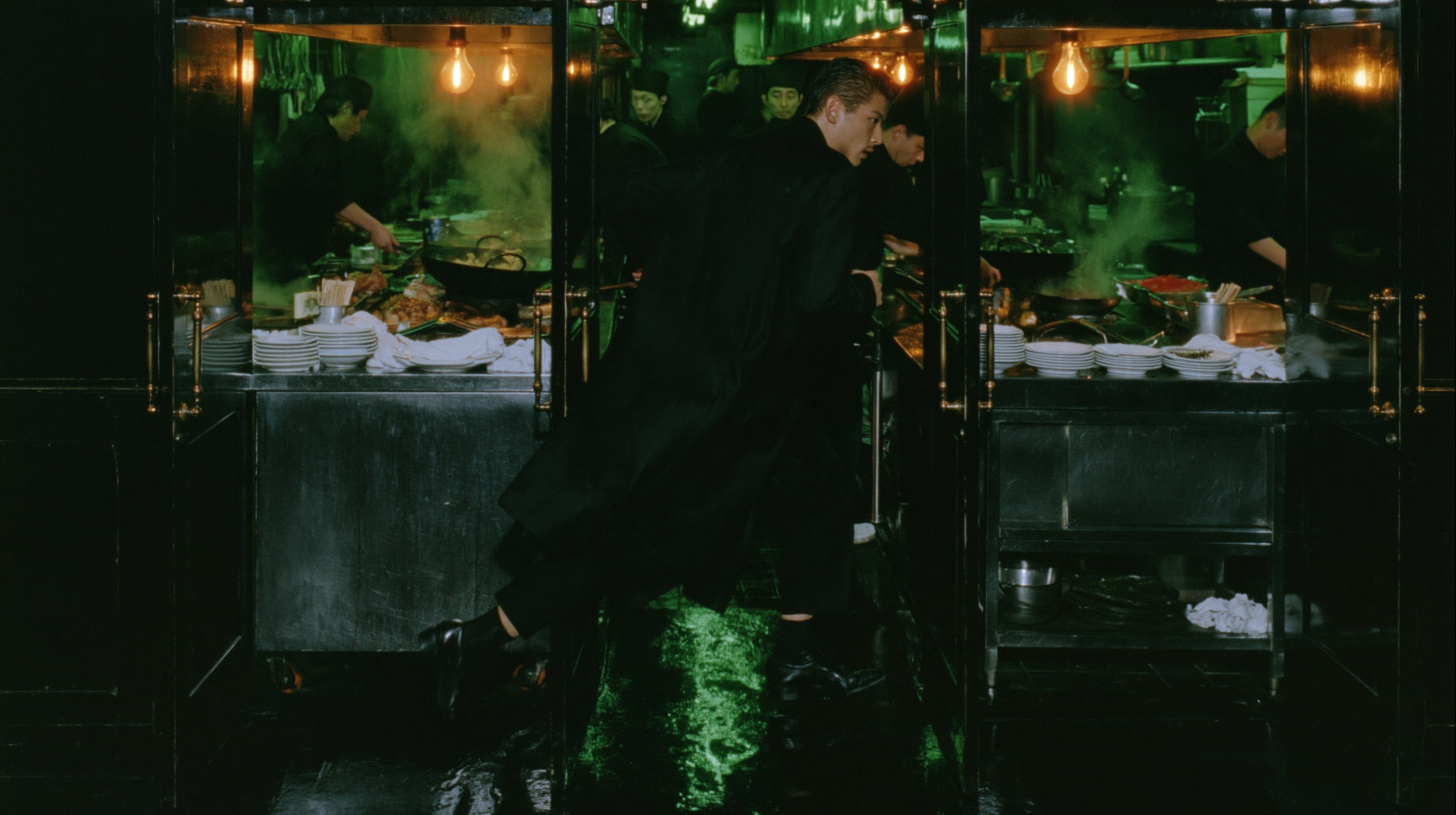
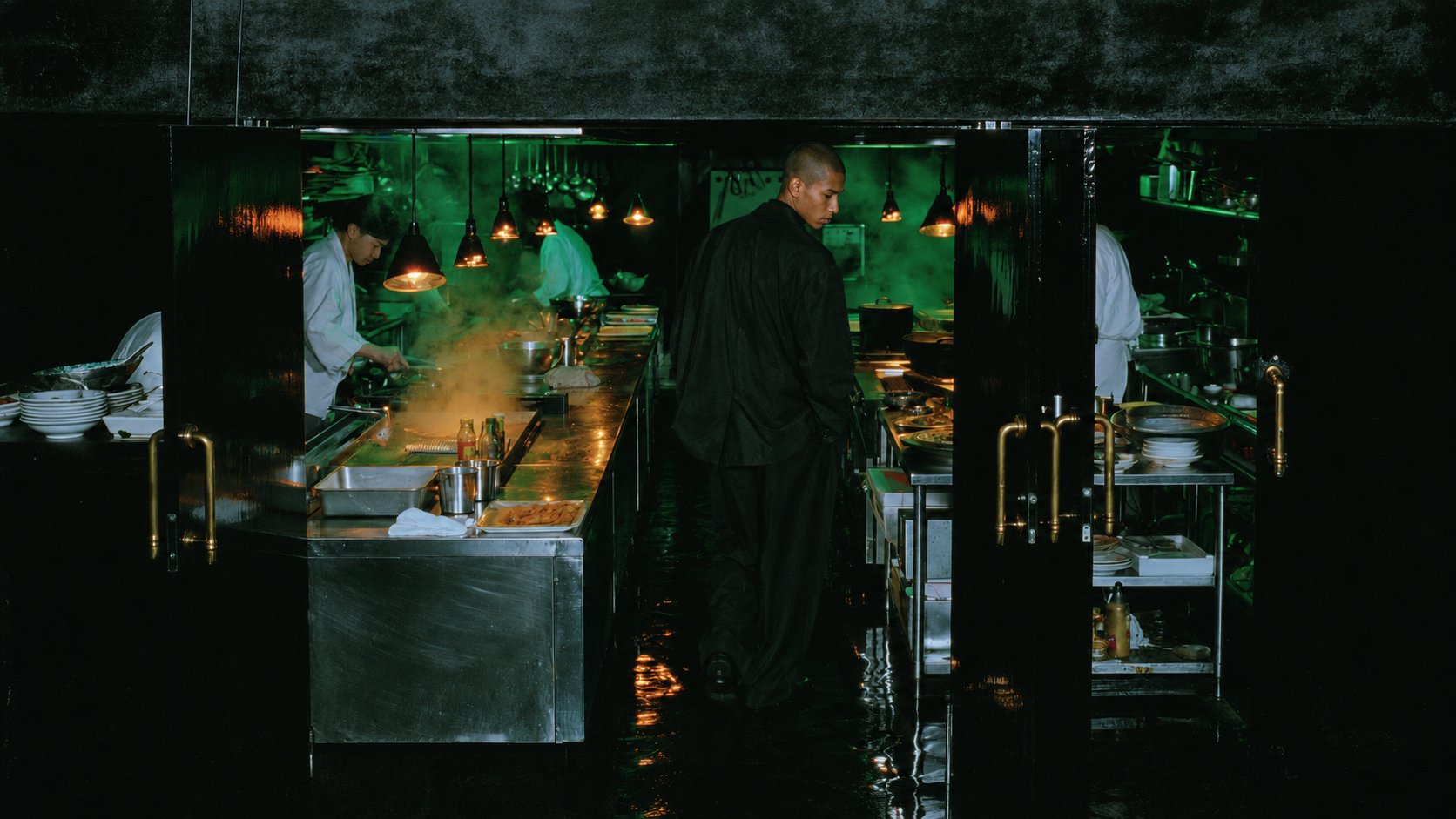
Treating replacement as a continuity operation rather than a full regeneration kept the noir world intact. The before-and-after frames retain their composition and atmosphere, but the characters now connect back to the reference system used across the wider project.
Turning “Fast” Into Camera Behaviour
The chase prompts improved when I stopped treating speed as an adjective. I used ChatGPT to analyse a Fast & Furious reference and identify the visual events that make motion register as fast, then audited the revised prompts against ByteDance’s official Seedance guidance.
- Begin with the vehicles already at full speed.
- Let the subject overtake the camera.
- Use strong foreground parallax and rapid changes in scale.
- Vary the distance between vehicles instead of holding formation.
- Use short interior inserts as punctuation.
- Reveal hazards late so the frame keeps changing.
ChatGPT simplified the physical action, separated it from camera direction and gave every clip one clear action arc. The resulting sequence was still assembled from shorter generations, but the shots now shared the same kinetic language: vehicles changed size rapidly, the camera was overtaken, foreground objects crossed the frame and hazards arrived late.
Part 1 — MiniMax H3 motion testSource post