VictorInFocus
← All workAI Film / Folk Horror / Short Film / Character Continuity

The Thing in the Pines(02)

/ About the project

A 39-second folk-horror film built from one Midjourney v8.2 preview still: three friends in a pine forest, staring at something beyond the frame.

I treated the image as a fragment from a film that already existed, then used Seedance 2.0 to extend its characters and unease into motion. Character sheets made in GPT Image 2 gave me repeatable face, wardrobe and proportion references for the cast, while the original frame stayed constant across prompts.

Because the sequence was assembled from separate generated clips, voice continuity became its own production problem. I used blank voice-reference videos to carry the same voices between shots, then built FrameWave to turn source audio or video into those black-screen MP4s quickly and locally. I cut and finished the film in DaVinci Resolve, with music from Suno and atmospheric effects from Pixabay.

/ Year

2026

/ Tools

Midjourney v8.2 · GPT Image 2 · Seedance 2.0 · FrameWave · DaVinci Resolve · Suno

/ Atmospheric effects

Pixabay

/ On X

View original post

263 likes · 28 replies via X

19 reposts · 23K views added by VictorInFocus

Beginning with One Unresolved Frame

The first Midjourney frame already implied a larger story: three friends, carefully matched wardrobes and a forest that seemed to be watching them. Keeping the source of their attention outside the frame gave me the central tension. Rather than explain it, I used that unresolved look as the starting point for the film.
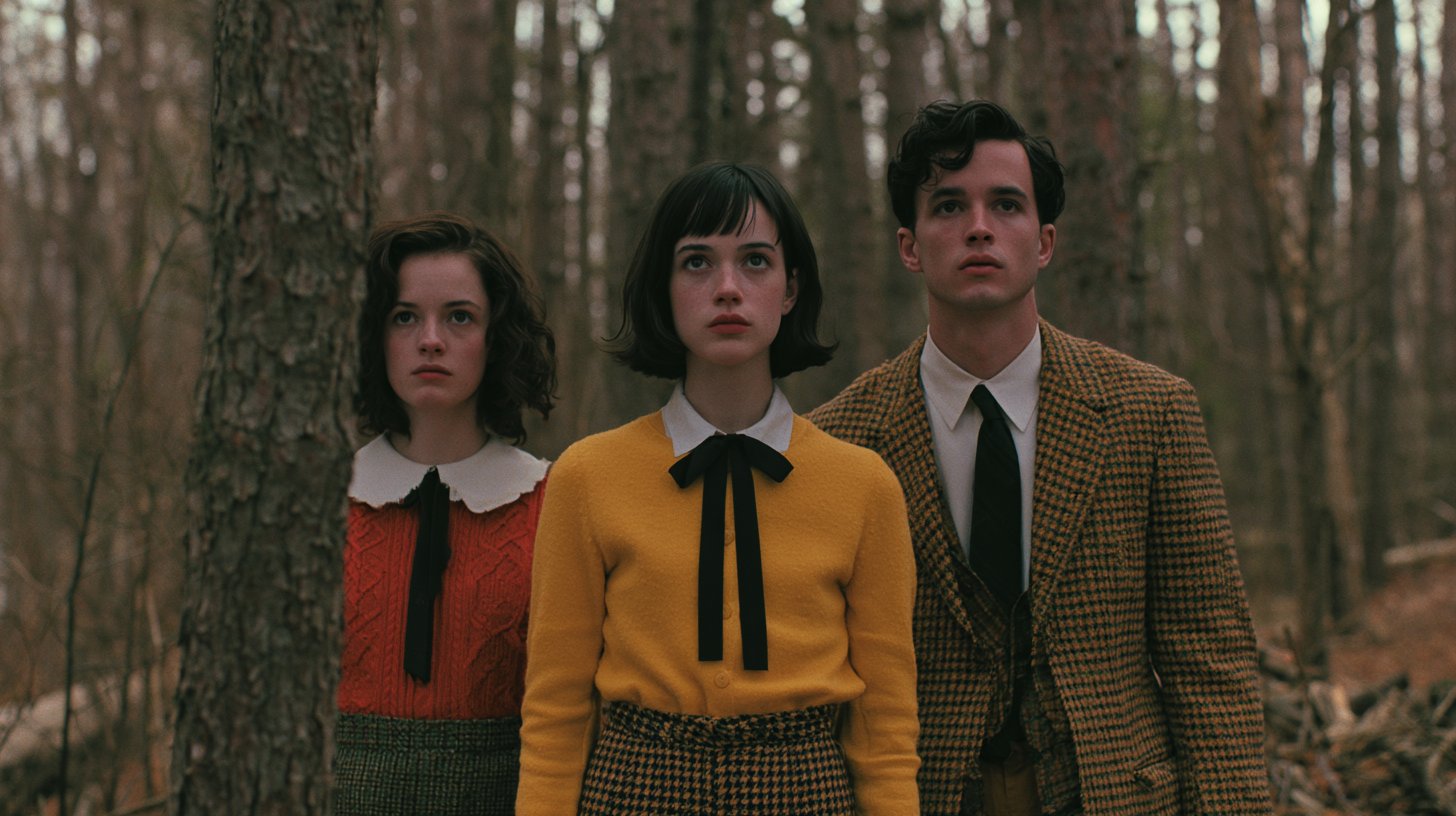
Original Midjourney v8.2 frame showing three smartly dressed young people staring upwards in a pine forest.

Building Character Continuity Before Motion

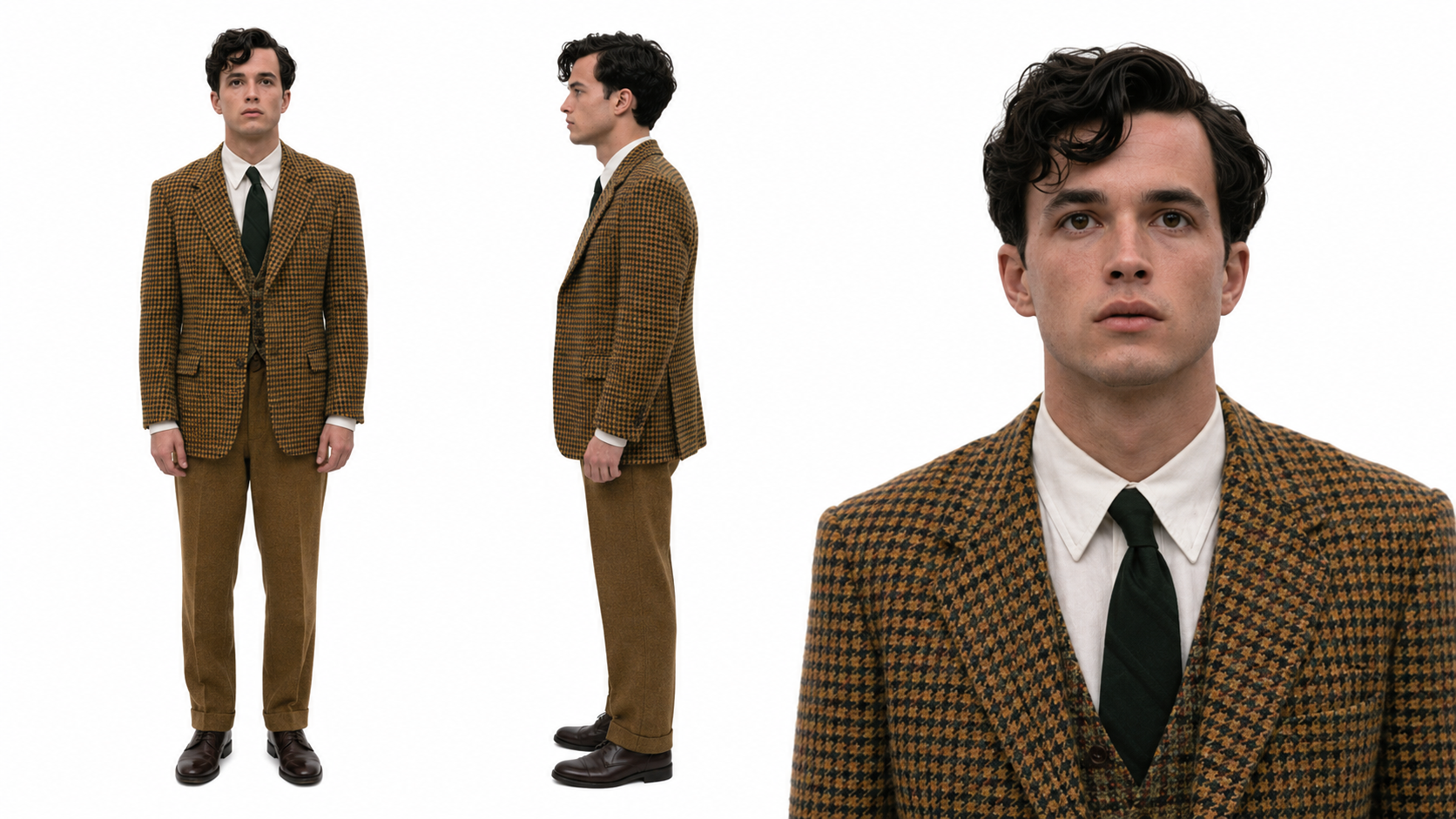
I kept the same reference image constant across the Seedance prompts, then used a three-view character-sheet layout. The full-body views helped preserve wardrobe and proportion; the large close-ups gave the model clearer facial anchors. That turned a useful still into a repeatable cast system for separate shots.
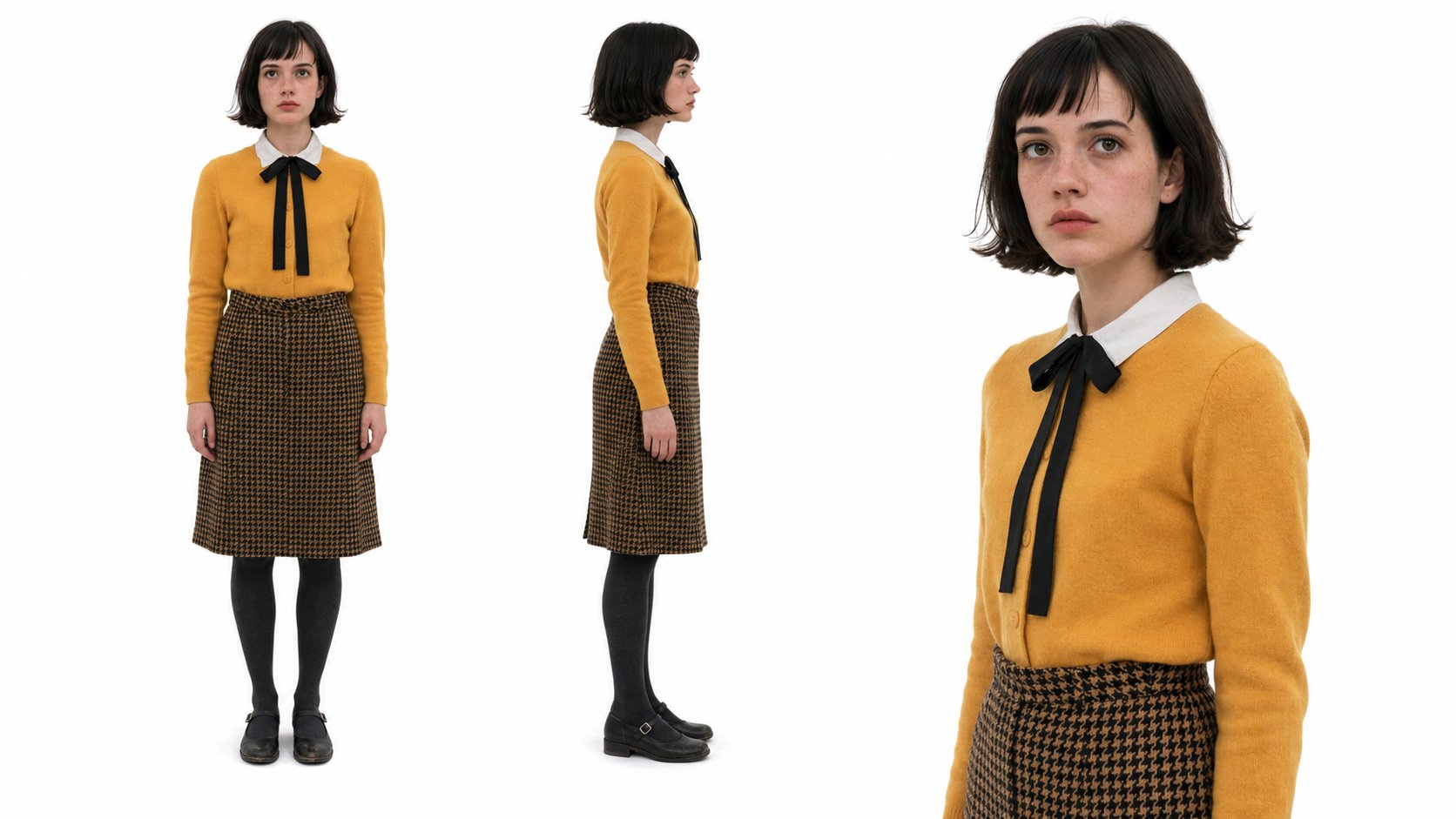
Character sheet showing front, profile and close portrait views of the young woman in a mustard jumper and checked skirt.
Character sheet showing front, profile and close portrait views of the young man in a brown houndstooth suit.

Carrying the Reference into the Final Sequence

The character reference had to survive movement, changing angles and the film’s physical transformation. In this later shot, the houndstooth suit and face remain recognisable while the black material pushes the scene from the poised source image into a more bodily threat. The continuity work let the performance change without losing the character.
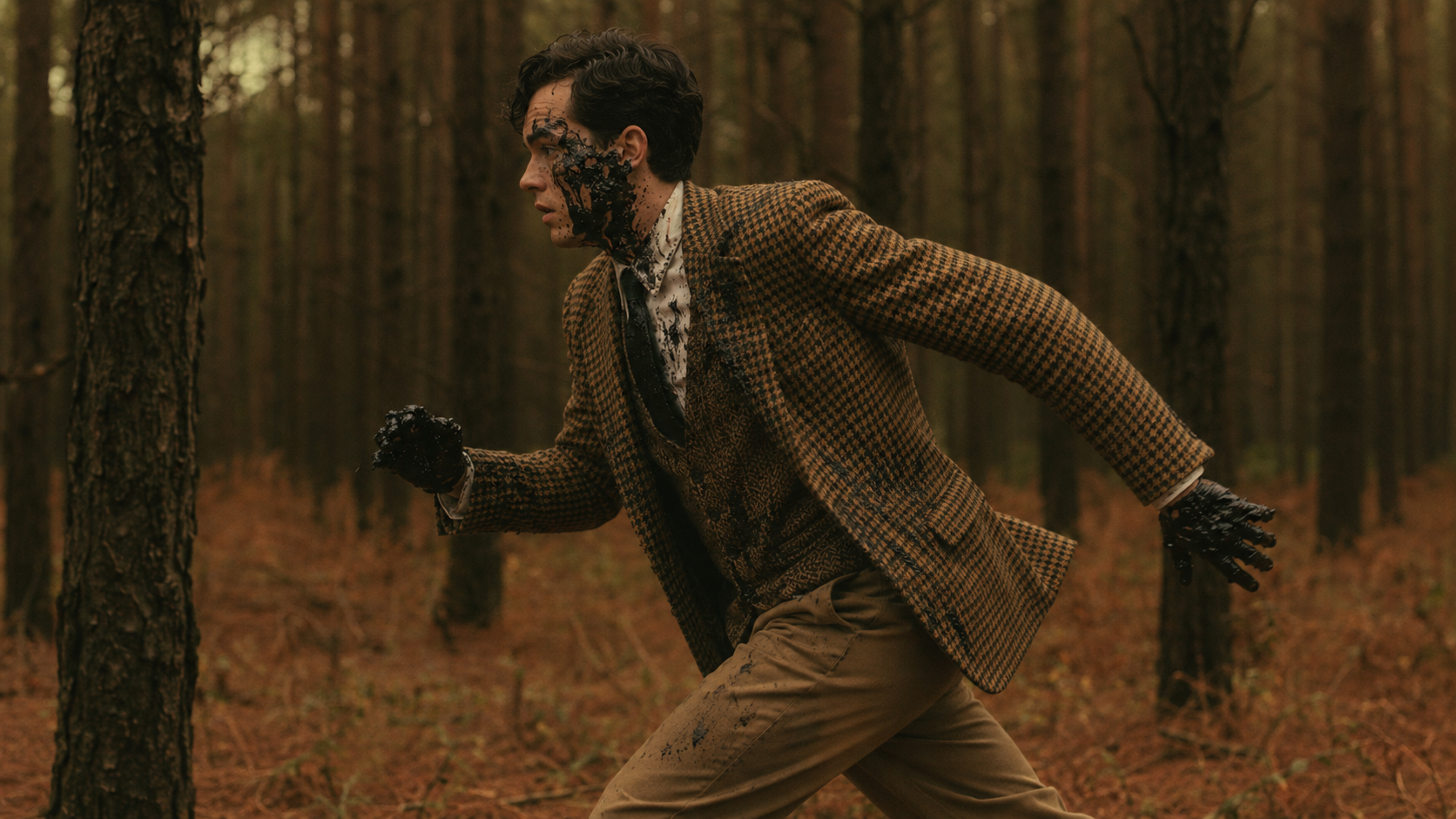
The young man runs through the pine forest as a black substance spreads across his face and hands.

Keeping the Voices Consistent

Separate generated clips also made voice consistency difficult. I used blank, black-screen reference videos to carry the established voices between shots, but preparing those files repeatedly slowed the workflow down. I built FrameWave to trim, name, organise and export those references from source audio or video. It runs locally in the browser, so the files never need to be uploaded.
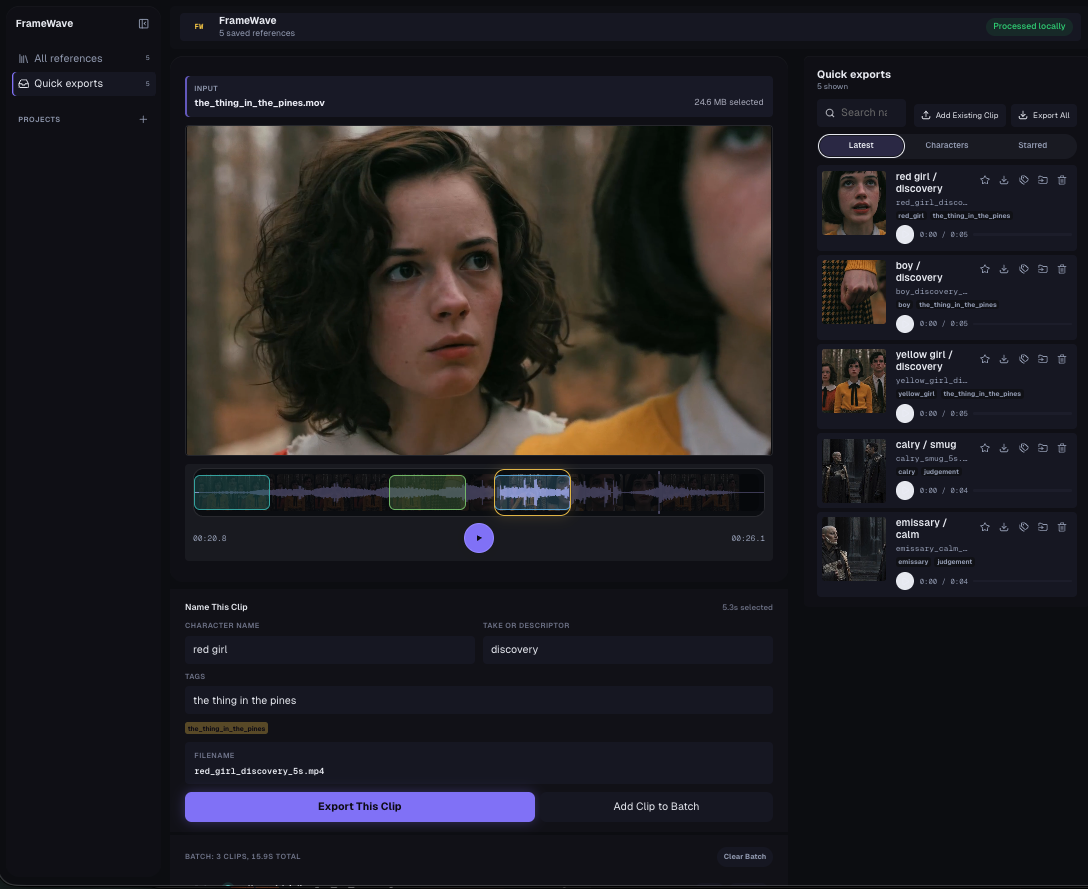
FrameWave interface with a film timeline, named voice-reference clips, quick exports and a batch export workflow.

/ Resources

New enquiry

Work with VictorInFocus

Add budget, timing and project type Optional